Give your baby a quieter view of the world while keeping their face and breathing clear. Let them rejoin at their own pace.
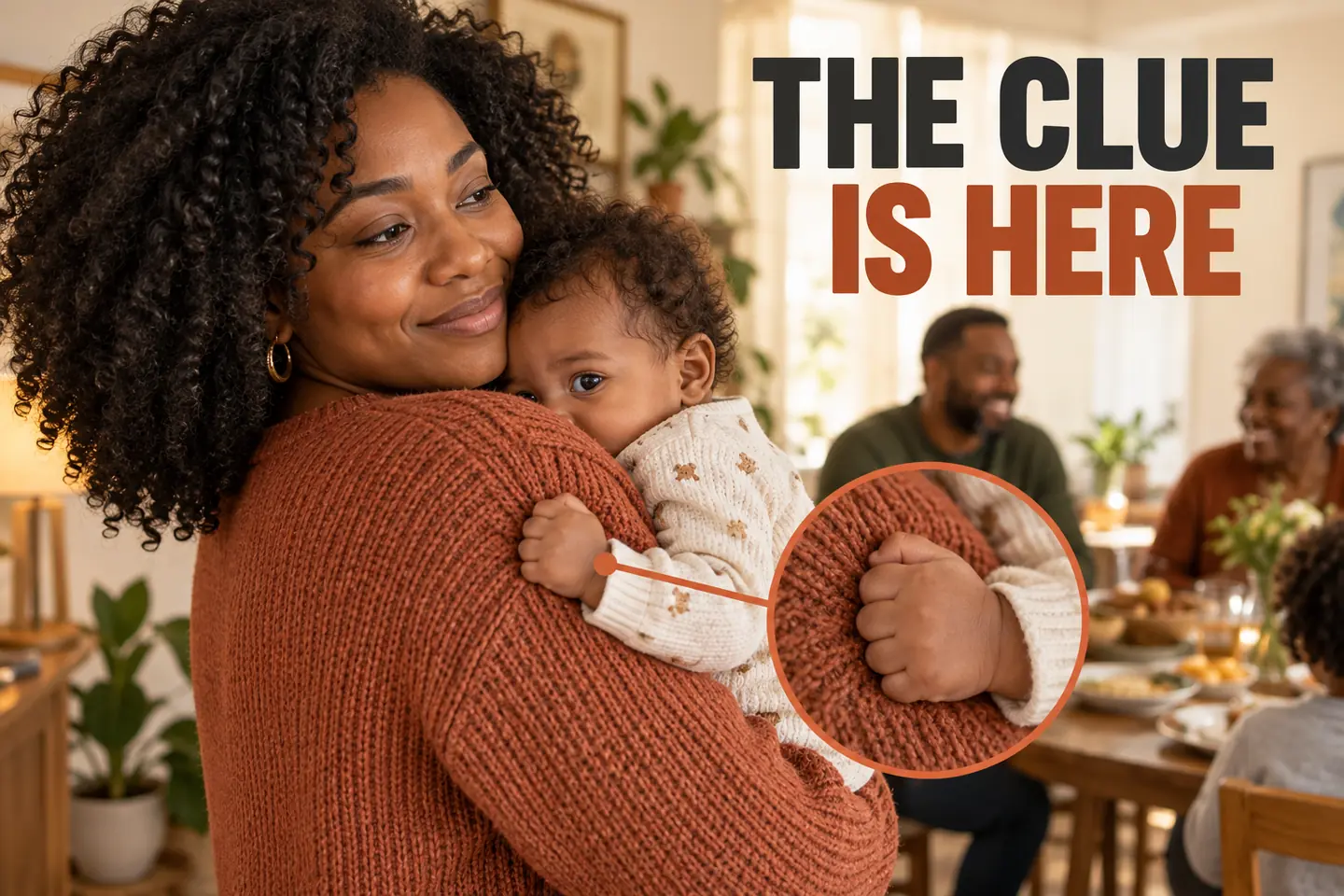
The room is full of conversation. Someone waves, another person leans in, and your baby turns straight into your shoulder. For a moment, your shirt becomes the most interesting place in the house.
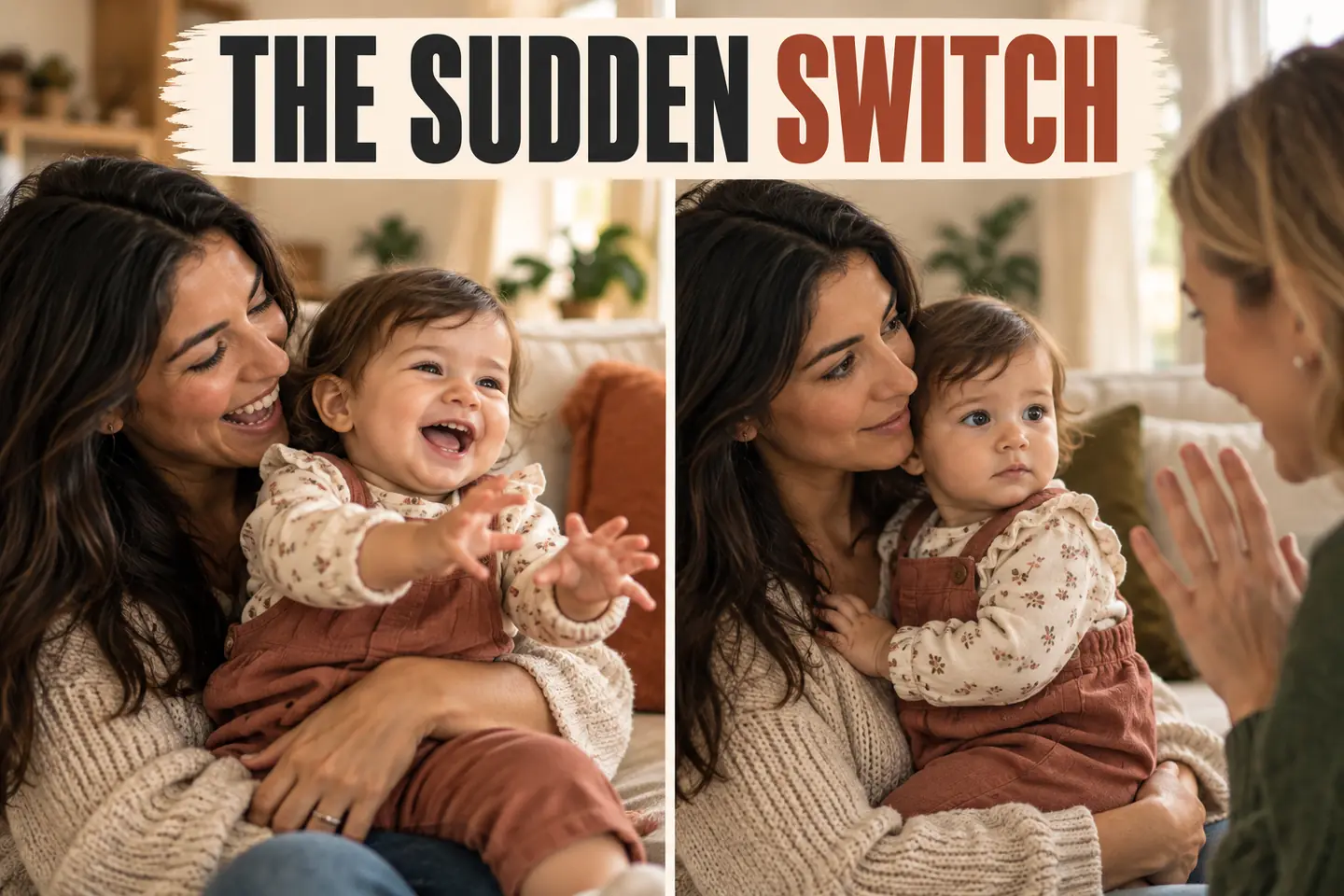
A baby hiding their face may be seeking closeness, taking a break from attention, feeling tired, or becoming wary of a person or place. Sometimes it is part of a playful exchange. Look at what happened just before the movement and how your baby responds when you make things quieter.
Start by lowering the demand to interact
If three people are trying to get a response, stop adding another performance yourself. Move a little away from the conversation, soften your voice, and allow your baby to stay close in a safely supported position.
You might say to the group, “We’re having a little pause.” This is useful whether your baby needs two quiet minutes or is ready to leave. You do not need to persuade everyone that the gathering was too much before making a small adjustment.
Let the surroundings give you clues
Think about the experience from your baby's position. A room can be familiar while the volume, number of faces, and amount of handling are unusual. Even a friendly greeting can arrive too quickly.
ZERO TO THREE describes how children who take longer to warm up may benefit from gradual introductions. The point is to offer manageable chances to join in, rather than making them stay hidden or insisting they immediately participate.
If your baby peeks out after you step aside, acknowledge it quietly. There is no need to announce the achievement to the whole room and bring every face back at once.
Keep comfort physically safe
Hold your baby securely and make sure their nose and mouth remain clear of your clothing and body. Avoid draping fabric over their head to shut out the room. You can reduce stimulation by changing where you stand without covering their face.
Watch their overall comfort as well. If they are getting sleepy, hungry, or too warm, address that need. A tired baby does not need another round of greetings before you are allowed to start the usual care routine.
Give relatives a helpful role
Instead of asking someone to “try harder,” suggest something quieter: sit nearby, speak with you, or hold a large toy where your baby can choose to notice it. Waiting is participation too.
For a toddler, you can offer a choice: “Stay with me or sit beside me?” Do not offer being passed to another adult as the only route back into the gathering. A child can gradually become more comfortable while remaining close to a familiar person.
What if it happens nearly every time?
Plan a smaller first step. Arrive before the room fills up, keep early visits brief, or meet one person in a familiar place. Compare your child with their own experience over time instead of the cousin who runs straight into every party.
If distress is persistent, prevents ordinary activities, or comes with other developmental or health concerns, ask your child's clinician for guidance. A face hidden in a shoulder is a cue to observe, not enough information for a diagnosis.
For the next busy visit, give yourself permission to step aside early. Your baby can watch the world from a comfortable place before deciding how much of it to join.
Further reading
ZERO TO THREE: Children with Shy or Slow-to-Warm-Up Temperaments
AAP: Emotional and Social Development, 8 to 12 Months
Adapt these ideas to your family. For concerns about your child’s health or development, talk with a qualified professional who knows them.

Sophie Laurent
Simple routines & calmer evenings
About this author