Let your baby watch from a comfortable place. A quiet introduction can be successful without a smile, cuddle, or handover.
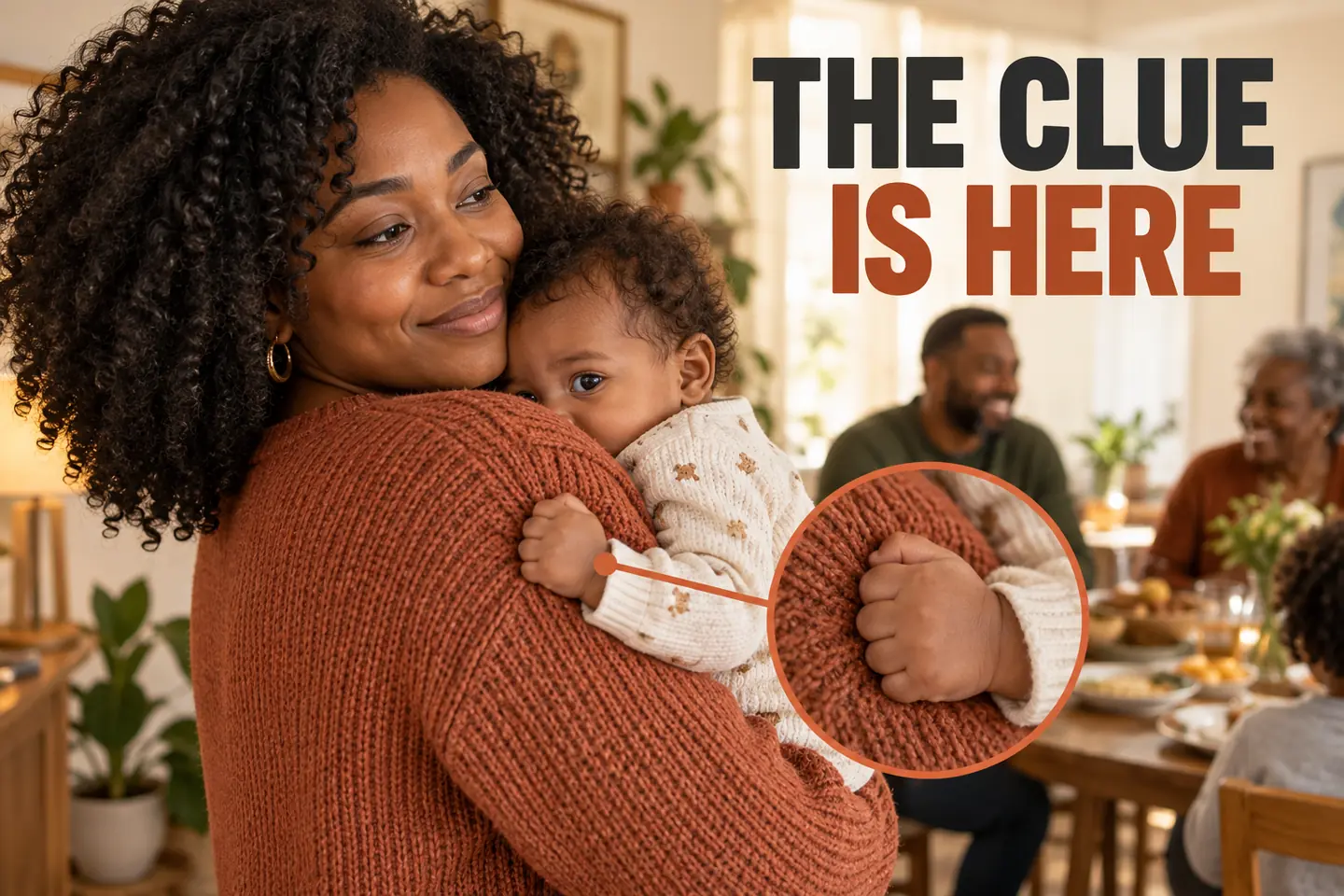
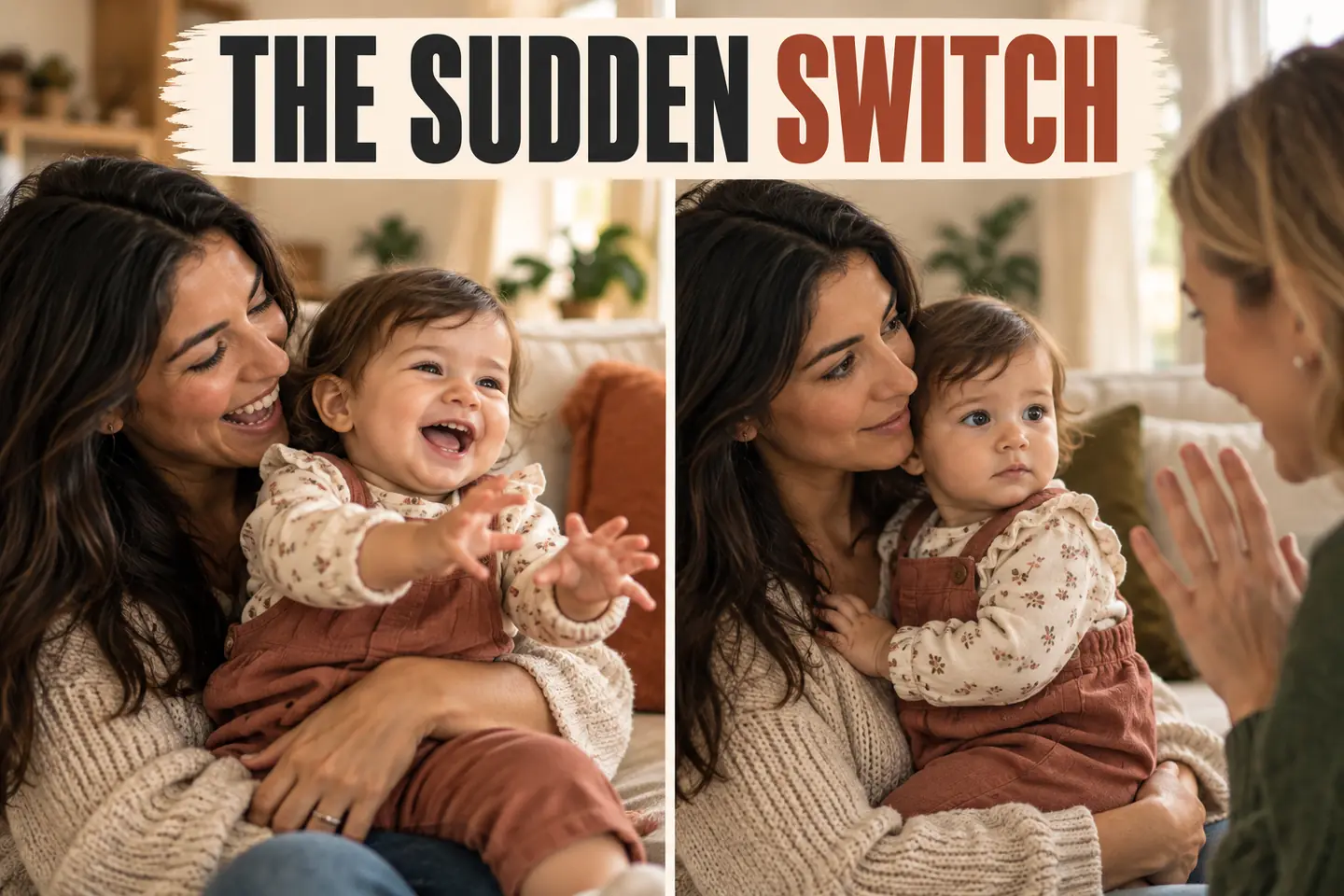
At home, your baby has plenty to say. A visitor walks in, leans closer, and asks for a smile. Suddenly the babbling stops. Your baby studies the new face, grips your shirt, and looks as though someone pressed pause.
A baby getting quiet around new people may be taking time to become comfortable with an unfamiliar person or situation. Tiredness, hunger, noise, and individual temperament can also change the response. That quiet moment cannot tell you exactly what is happening in their brain, and it does not decide whether they will grow up shy.
Why a familiar baby can act differently with visitors
The setting has changed even if your baby is still sitting on the same sofa. There may be a new voice, perfume, laugh, or face moving close. For a baby who was happily following your usual rhythm, that is a different experience.
The CDC includes wariness around strangers among common social behaviors by nine months. Some babies prefer a longer introduction; others move between curiosity and caution. A relative they have met before can still need another warm-up after time apart.
Make the first few minutes easier
Begin with your baby in a comfortable, securely supported position near you. Let the visitor talk with you before trying to entertain the baby. There is no need to bring a face close, touch little hands, and shake a toy all at once.
Try saying, “They’re watching for a bit. Let’s give them some room.” That gives the adult something useful to do without describing your baby as difficult or unfriendly.
If your baby starts to look interested, the visitor could sit nearby and comment quietly on a toy. If your baby turns away or becomes upset, pause the introduction. You can try again later without treating the first attempt as a failure.
A smile is not the price of being polite
Babies do not owe anyone a cuddle. You can welcome a guest warmly while keeping your baby with you. This is especially helpful when a well-meaning adult keeps saying, “Come on, you know me!”
A simple reply is enough: “You can say hello from here.” Avoid repeatedly passing your baby between adults to see whether the next person gets a better reaction. Comfort and familiarity are more useful goals than a photograph where everyone smiles.
Look for a pattern, not a personality label
Notice when introductions go more smoothly. Is it after a nap? With one visitor instead of several? Outdoors rather than beside a loud television? Those observations can help you plan the next visit.
Describe the situation rather than announcing a permanent trait. “She’s taking her time today” leaves more room than “She never likes people.” You may find that the same baby becomes interested once everyone stops trying quite so hard.
When quietness deserves a closer look
Being reserved with unfamiliar people is different from a marked change in alertness or engagement everywhere. Discuss persistent concerns about social responses, hearing, or development with your child’s clinician, especially if your baby loses a skill they previously used.
For an ordinary visit, keep the next step small: stay close, reduce the audience, and let your baby observe. A peaceful few minutes on your lap counts as an introduction.
Further reading
ZERO TO THREE: Children with Shy or Slow-to-Warm-Up Temperaments
Adapt these ideas to your family. For concerns about your child’s health or development, talk with a qualified professional who knows them.

Emma Bennett
Everyday parenting & big feelings
About this author