Get close enough to be heard, give one specific instruction, and leave a little time for your child to respond.
“Get ready!” can mean six different things to an adult: finish breakfast, wash hands, find shoes, put them on, get a coat, and come to the door. To a young child, it can be a very large instruction with no obvious starting point.
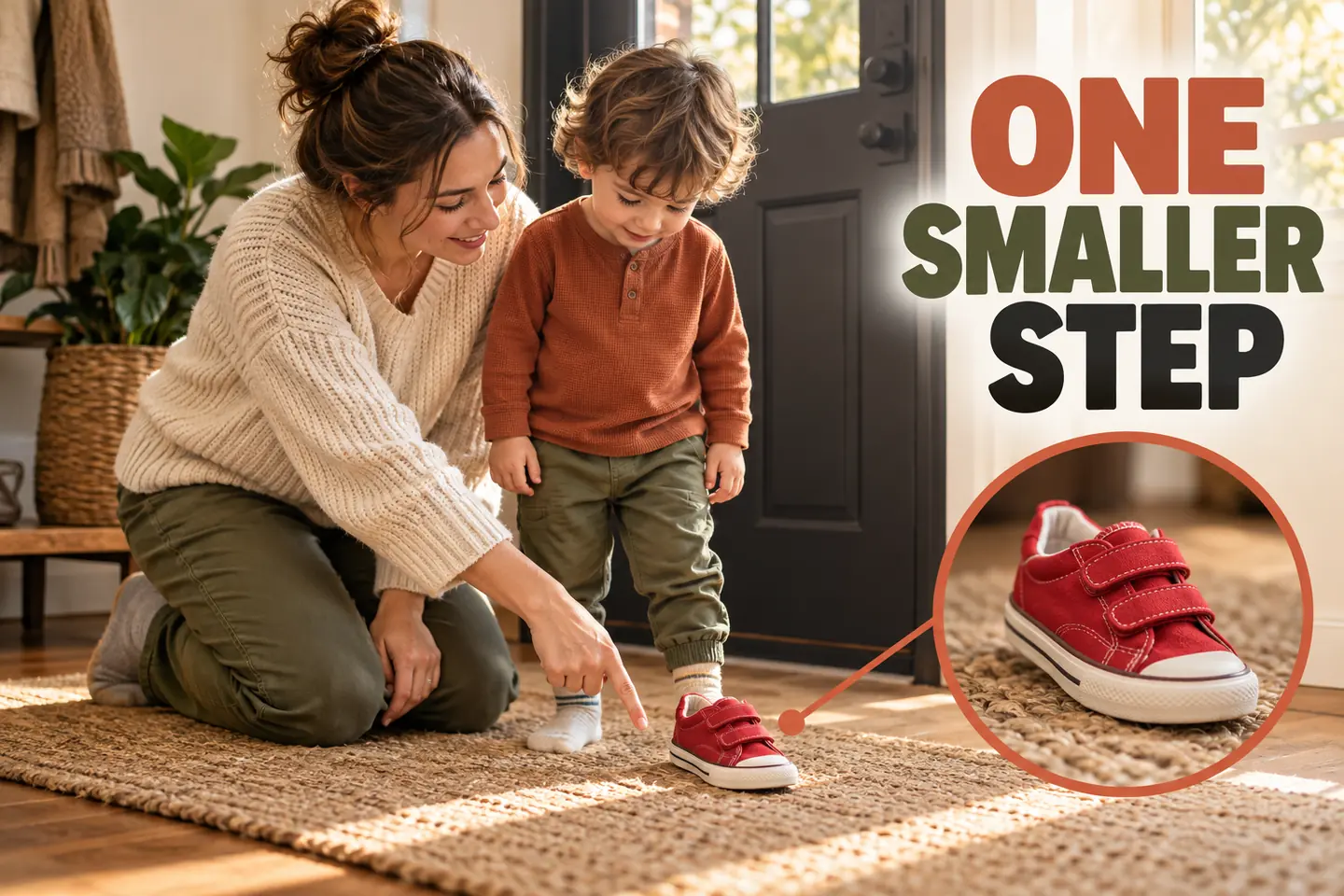
Before repeating it, try shrinking it. “Put your cup on the counter” tells your child what the first step looks like. You’re making the task clearer, not testing how many reminders they can tolerate.
Move closer before you speak A request from another room competes with toys, conversation, and the story already happening in your child’s head. Approach calmly and get their attention in a way that suits them. You don’t need to insist on eye contact.
The CDC’s guidance for toddlers and preschoolers recommends specific, age-appropriate directions, given one at a time, in a calm voice. Adapt the wording and the task to your child’s communication and support needs.
Name what you want to see Instead of “Stop making a mess,” try “Put the blocks in this basket.” Instead of “Be careful with that,” explain the action: “Carry the cup with both hands.”
Here is a kitchen example: point to an empty space and say, “Put your plate here.” Wait rather than immediately adding three more jobs. If the request is unfamiliar, demonstrate it once and invite your child to try with you.
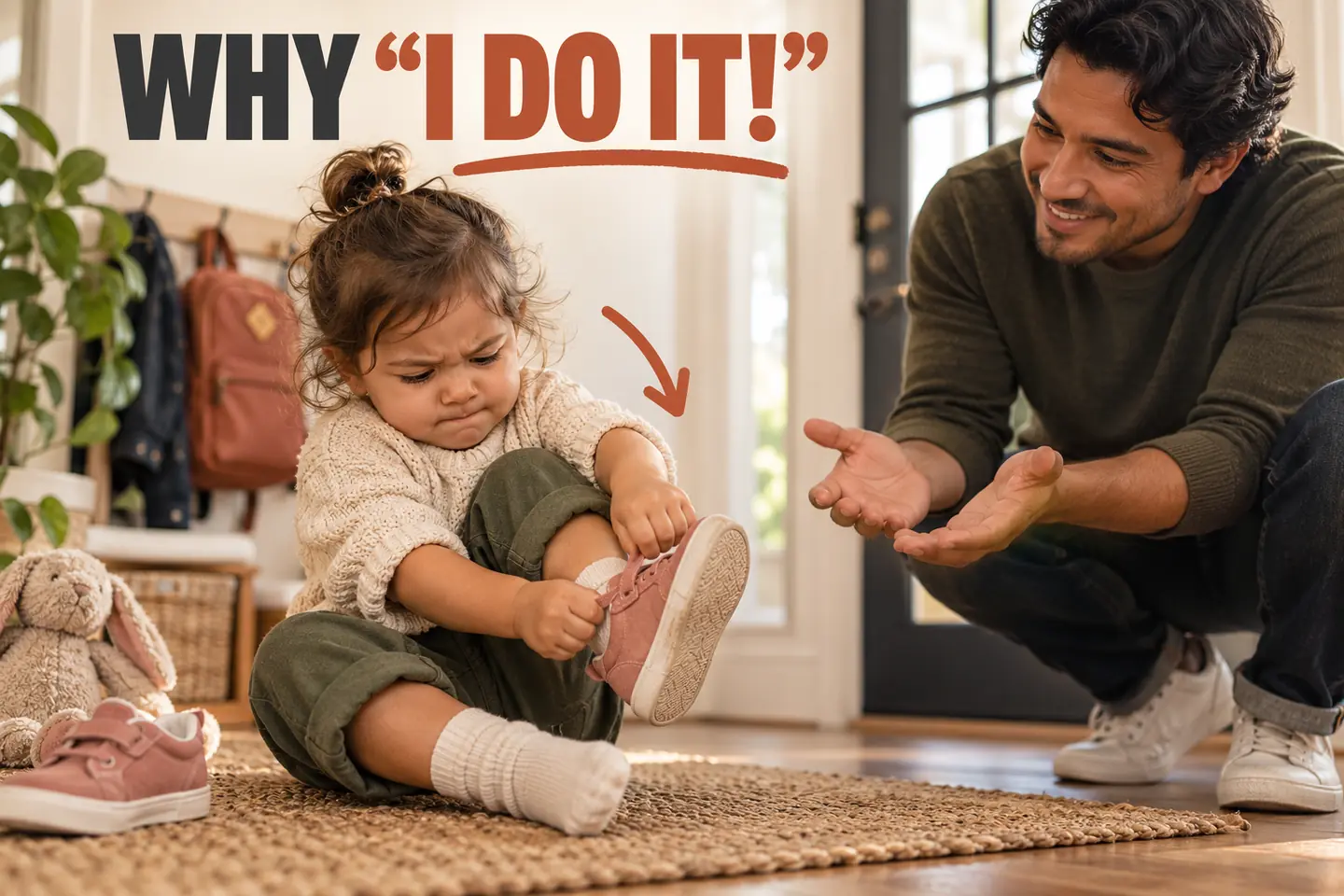
Check ability before assuming refusal A child may understand “put your shoes on” but still need help with the fastener. They may be uncomfortable, distracted, tired, or unsure which pair you mean. Ask a practical question: “Do you need help with the strap?”
Offer help without turning the moment into a debate about whether the task should be easy. A picture, gesture, or shared first step may work better than extra words.
Notice the completed action When the plate reaches the counter, name that specific action: “You put your plate away. Thank you.” Then offer the next step. Try this with just one routine today. If it helps, keep it. If it doesn’t, make the task smaller or choose a calmer moment to practice.
Further reading
CDC: Tips for Giving Directions
Adapt these ideas to your family. For concerns about your child’s health or development, talk with a qualified professional who knows them.

Emma Bennett
Everyday parenting & big feelings
About this author